Professional Cladding Services: Elevate Your Home's Curb Appeal
Expert exterior cladding solutions are instrumental in forming a home's exterior. They not only improve curb appeal but also impact property value. Choosing suitable materials and colors that complement a home's architecture is crucial. Additionally, expert installation work guarantees durability and aesthetic precision. However, the choice doesn't end with installation; upkeep is equally critical. Understanding these aspects can lead homeowners to substantial advantages. What factors should one consider when making such an important decision?
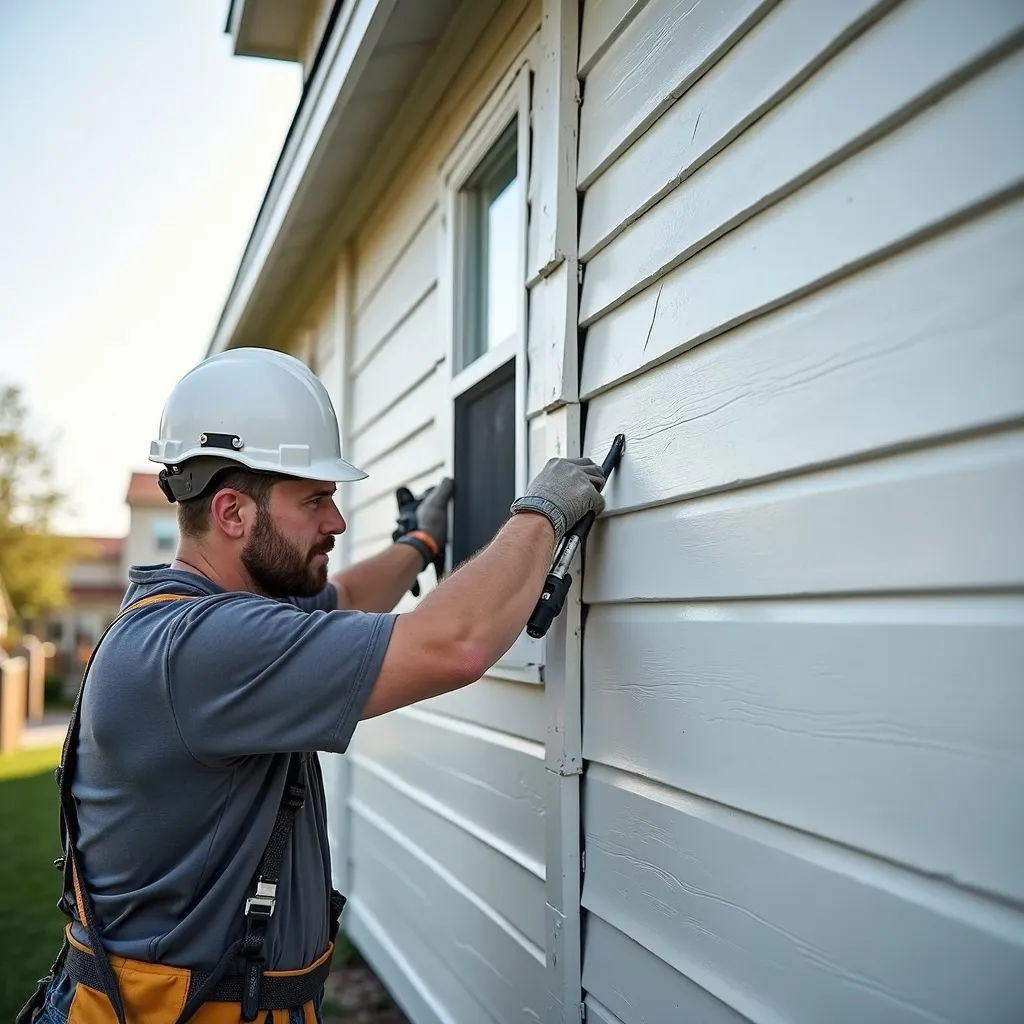
Siding's Importance in Boosting Curb Appeal
Siding functions as the exterior face of a home, significantly shaping its total street presence. The selection of siding material, color, and finish can substantially influence how a residence is viewed by visitors and prospective purchasers equally. A well-maintained outer surface generates a welcoming atmosphere, while outdated or harmed siding can detract from a home's attractiveness.
Distinct material choices, such as vinyl, wood, or fiber cement, each offer unique aesthetic qualities that can complement various architectural designs. The right siding can strengthen a home's character, making it be noticed in a neighborhood. Furthermore, the installation quality plays a vital role; poorly installed siding can lead to issues such as moisture damage, further affecting a home's appearance and longevity.
How to Select the Best Siding Option for Your Home's Style and Budget
Selecting the perfect siding material requires careful consideration of a home's architectural style and the homeowner's budget. By evaluating the unique characteristics of the property, one can discover options that enhance its visual attractiveness. Additionally, reviewing budget options guarantees that the chosen siding aligns with financial constraints while achieving the desired look.
Analyze Your Home's Structure
When assessing the best exterior cladding, homeowners must first examine their home's architecture to ensure a balanced combination of style and functionality. Each architectural style—be it colonial, modern, or craftsman—has distinct characteristics that dictate suitable siding options. For example, traditional homes may benefit from classic wood or vinyl siding, while contemporary designs often pair with metal or fiber cement materials. It is essential to consider the scale, texture, and color of the siding, ensuring it aligns with architectural elements such as rooflines, windows, and doors. Additionally, local factors and climate should guide the choice, as certain materials function more effectively under specific weather conditions. Ultimately, selecting siding that enhances architectural integrity will elevate the overall aesthetic and value of the home.
Examine Your Cost Options
Understanding the architectural style of a home offers the foundation for picking appropriate siding, but cost considerations play a key role in the decision-making process. Homeowners should first set a specific budget, accounting for labor costs, care, and prospective repairs. Multiple siding options, such as vinyl, wood, and fiber cement, come with varying costs and longevity. Vinyl siding gives affordability and low upkeep, while wood delivers visual appeal but needs more maintenance. Fiber cement strikes a compromise between strength and cost, making it an ever-growing popular choice. Ultimately, assessing both style choices and financial limits will direct homeowners toward selecting the best siding material that enhances their home's exterior look without jeopardizing financial comfort.
Why Professional Installation Counts for Siding Longevity
Professional installation matters greatly for the longevity of siding by ensuring that quality materials are properly selected and utilized. Precision installation techniques not only boost the aesthetic appeal but also add to the structural integrity of the siding. Ultimately, this approach delivers long-term cost efficiency, decreasing the need for frequent repairs or replacements.
Premium Supplies Choosing
Picking high-quality materials for siding is important for maximizing both aesthetics and strength. Homeowners frequently disregard that the type of materials substantially influences the durability and performance of their siding. Superior options, such as fiber cement or vinyl, give better defense to environmental factors and pests, confirming the home remains secure over time. Moreover, quality options can amplify the property's curb appeal, adding to heightened curb appeal and potentially increased resale value. Opting for superior siding materials improves the home's visual appeal and also minimizes the risk of expensive repairs or new installations in the future. Consequently, careful analysis of material decisions is essential for homeowners working to establish lasting aesthetics and operational excellence in their siding projects.
Exact Installation Strategies
High-quality components are just part of the equation when it comes to siding longevity. Precision installation techniques play a important role in guaranteeing that siding performs at its best through time. Skilled professionals comprehend the nuances of aligning pieces, securing fasteners, and sealing joints properly, which minimizes the risk of water intrusion and other damage. Properly installed siding withstands inclement weather conditions, reducing the chances of warping, cracking, or fading. Furthermore, expert installation meets the particular needs of various materials, improving their durability. This careful attention not only increases the aesthetic appeal of the home but also supports its overall structural integrity, ensuring that the siding remains a protective barrier for years ahead.
Long-Term Cost Efficiency
Investing in professional setup for siding greatly enhances extended financial benefits. Professional installers have the knowledge and skills to guarantee accurate placement and positioning, reducing the risk of subsequent deterioration. Correct setup reduces the probability of water infiltration, mold growth, and insect problems, which can lead to costly repairs. Additionally, superior products installed by seasoned experts can prolong the lifespan of siding, delaying the requirement for new installations. This preventive strategy not only protects the property's structural soundness but also contributes to energy efficiency, reducing energy costs. Over time, these financial gains can considerably compensate for the upfront cost in professional services, making it a wise financial decision for property owners seeking to improve their property's longevity and value.
Enhancing Home Value Through High-Grade Siding Solutions
Improving a home's exterior with high-end cladding choices can greatly elevate its overall value and street presence. Quality siding not only protects against the weather but also functions as a critical visual element that draws potential buyers' attention. Options such as fiber cement, vinyl, and wood provide various aesthetics and durability, catering to varied architectural styles.
High-quality siding investments can yield significant returns during resale, often regaining a considerable portion of the initial investment. Homes displaying attractive, properly maintained siding are perceived as more welcoming and well-cared-for, fostering a favorable impression. Additionally, certain siding choices, like those with adjustable colors and textures, allow homeowners to showcase individuality while enhancing marketability.
Ultimately, top-tier siding remains an significant component in the property market, increasing a property's comprehensive appeal and relative value. For homeowners endeavoring to optimize their investment, opting for proper siding is indispensable.
How New Siding Can Assist in Saving Money on Energy Bills?
Upgrading to new siding description not only enhances a home's aesthetic appeal but also offers significant monetary advantages through lowered energy bills. Modern siding options, such as insulated vinyl or fiber cement, enhance energy performance by providing better insulation. This improved insulation helps maintain a stable indoor temperature, reducing the need for excessive heating or cooling.
As a result, homeowners can anticipate lower monthly energy costs. Additionally, new siding can help avoid drafts and water intrusion, which can further compromise energy efficiency. Over time, these cost reductions can build up, offsetting the initial expenditure in new siding.
Furthermore, many energy-efficient siding choices qualify for tax credits or rebates, providing another layer of monetary advantage. By picking the right siding, homeowners not only enhance their property's external appearance but also establish a more environmentally sound living environment that leads to long-term savings.
Top Siding Styles to Consider in 2023
What cladding designs will take over the market in 2023? As residents prioritize both visual appeal and durability, several important options are surfacing as preferred picks. Cement fiber siding remains popular because of its strength and range of finish options, copying wood minus the upkeep concerns. Furthermore, vinyl siding maintains popularity, offering cost-effectiveness and a extensive variety of colors and surface finishes.
Another key trend is the reappearance of raw materials, such as wood and stone, appealing to those in search of a more organic look. Furthermore, vertical siding is becoming mainstream, providing a modern twist that enhances architectural interest. Finally, striking color decisions, particularly intense colors, are surging in popularity, giving homeowners to express their individuality. These exterior choices not only uplift curb appeal but also show a lean toward responsible and elegant home exteriors in 2023.
Maintenance Tips for Maintaining Your Siding Looking Great
Preserving siding requires consistent attention to guarantee it remains visually appealing and operational. Homeowners should begin by performing seasonal assessments to detect any signs of deterioration, such as fractures or bending. Washing the siding at least twice a year with a gentle detergent and water is essential to eliminate dirt, mold, and mildew, which can deteriorate the material over time.
Furthermore, it is recommended to trim back plants that may touch the siding, as this can result in water accumulation and pest infestation. For vinyl or aluminum siding, applying a protective coating periodically can improve durability and luster. When repainting wood siding, using high-quality outdoor paint will help preserve its integrity against environmental conditions. Finally, addressing minor repairs promptly can avoid greater deterioration, ensuring the siding remains an attractive feature of the home. Consistent upkeep not only improves curb appeal but also prolongs the life of the siding.
Routine Questions That Are Often Asked
What Environmental Consequences Do Various Cladding Materials Have?
Different siding materials have diverse ecological consequences. Wood can lead to forest loss, vinyl may release harmful chemicals, while fiber cement is more eco-friendly due to its longevity and lower resource consumption throughout its lifecycle.
When Should I Refresh My Siding Periodically?
Siding typically requires substitution every 20 to 40 years, affected by material quality and maintenance. Regular inspections can help establish the optimal timing for replacement, preserving the home defended and visually appealing.
Can I Put in Siding Myself, or Should I Employ a Pro?
He pondered installing siding himself but ultimately chose to hire a expert. The difficulties of installation and ensuring appropriate insulation and visual appeal persuaded him that expert help would achieve superior lasting results and durability.
What Protection Plans Can You Find for Siding Options?
Various coverage plans are available for siding products, including manufacturer's warranties, which typically cover defects, and labor warranties from installation companies. Duration and coverage details vary, so reviewing specific terms before purchase is essential for homeowners.
Do funding solutions available for siding installation?
Many siding installation providers offer financing options, such as installment plans and low-interest loans. Property owners should inquire about accessible payment options to control expenses efficiently while improving their property's appearance and value through fresh exterior cladding.